Blockchain technology is a term that focus on secure, trustless and transparent transactions and storing records or data through public ledger (Alyson, 2020). In other words, blockchain technology is made up of two parts, block and chain. In technology, block refers to the digital information that is being stored in a database, while chain refers to a public database (Reiff, 2020). Therefore, blockchain is about storing digital information of transaction between parties in a public database, in which the information is secured, and the parties do not need to trust each other to complete the transaction.
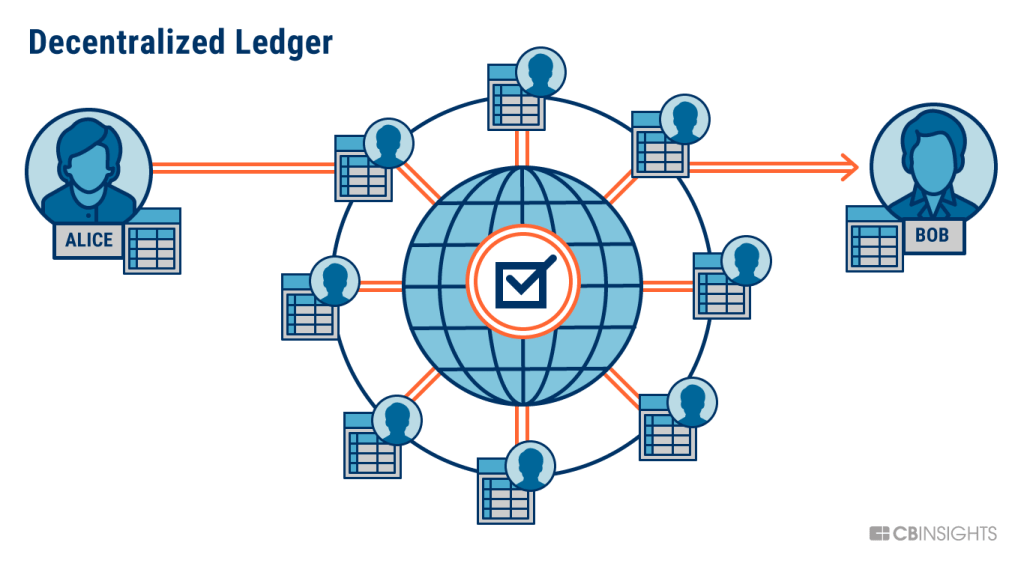
There are four types of blockchain consisting of public blockchain networks, private blockchain networks, permissioned blockchain networks, and consortium blockchains (IBM, 2020).
- Public blockchain is open to everyone to access.
- Private blockchain is a decentralized network between parties that develop trust between the parties.
- Permissioned blockchain is a type of blockchain that requires permission to access the database.
- Consortium blockchains type of blockchain is similar to a hybrid version as it controls who can access the data.
As technology is advancing further and further, we can see that there are many transactions being done online, through online shopping and other electronic commerce. With this convenience, comes drawbacks as well. One of the biggest concerns that arise from this is cybercrime. Blockchain acts as a shield to cybercrime as it gives the users some security (Chand, 2020).
Benefits of Blockchain
There are many advantages from using blockchain in businesses:
- Static registry: blockchain can be used to store records which is very safe as those records cannot change once they are in the blockchain, making your records safe from being hacked. In addition, the records can be tracked to act as evidence to clarify any arguments that arise. Examples of this includes land title, patents, food safety, and other research articles.
- Identity: What business can do is store their information related to their identity in the blockchain so that their information is protected. Examples of blockchain being used in identity are for voting purposes, preventing identity frauds and keep other crime and cases records.
- Smart contracts: smart contracts are self-executing contracts between two business parties, dealer and contractor. In smart contracts, the amount of money is stored in the blockchain and can only be claimed if the terms and conditions of the smart contracts are met and satisfied.
- Dynamic registry: There are two types of dynamic registry that business can take advantage from using blockchain. With dynamic registry, blockchain will update information as the goods or services transaction are being made through the database. An example is for delivering medical drugs as the blockchain will show the big picture of the delivery process from manufacturers to the distributors and to the stores. Another type of dynamic registry is related to payment method, as the payments are being updated every time a transaction is made (Patel, 2018).
Other than that, blockchain also provide benefits with greater transparency, increased efficiency, and better security. With the greater transparency that blockchain provide, there is an addition to accountability, leading to employees to focus on the company’s growth better. Furthermore, blockchain helps with increasing efficiency as there is no need for a middleman to help with the process. Moreover, blockchain is very secured as there is a complicated passcode to access the data and the passcode cannot be changed once it is formed (Koksal, 2019).
In conclusion, blockchain acts like a shield to cybercrime, as data that is stored in the database is encrypted with passcode that the passcode cannot be changed once formed. Blockchain also helps with trust, as the transaction made through blockchain do not need any trust. As technology is advancing, online shopping, electronic commerce and other online transactions, and online storages are becoming more familiar, making blockchain very important.
List of References:
Alyson. (2020). What is blockchain technology? Retrieved 10 February 2020, from:https://support.blockchain.com/hc/en-us/articles/211160223-What-is-blockchain-technology-
Reiff, N. (2020). Blockchain Explained. Retrieved 10 February 2020, from: https://www.investopedia.com/terms/b/blockchain.asp
IBM. (2020). What is blockchain technology? Retrieved 10 February 2020, from:https://www.ibm.com/blockchain/what-is-blockchain
Chand, M. (2020). Why Do I Need Blockchain? Retrieved 10 February 2020, from: https://www.c-sharpcorner.com/article/do-you-need-a-blockchain2/
Patel, A. (2018). The Top Advantages Of Blockchain For Businesses. Retrieved 10 February 2020 from: https://www.smartdatacollective.com/top-advantages-blockchain-for-businesses/
Koksal, I. (2020). The Benefits Of Applying Blockchain Technology In Any Industry. Retrieved 10 February 2020 from: https://www.forbes.com/sites/ilkerkoksal/2019/10/23/the-benefits-of-applying-blockchain-technology-in-any-industry/#411d7b9b49a5
 mis304sedhthanon